LiDAR scanning, Gaussian splat capture, and Unreal Engine pipelines that turn real locations into film-grade plates, cinematic property tours, architectural overlays, and living digital twins — built by a broadcast DP who's shot the Olympics and the Super Bowl.
We go on location and capture full scenes as high-fidelity 3D scans — the same set your crew is walking, rebuilt to scale for previs, virtual production, and set extension. Alongside that, we shoot native 12K VFX plates, so your comp team is never working from a downres.
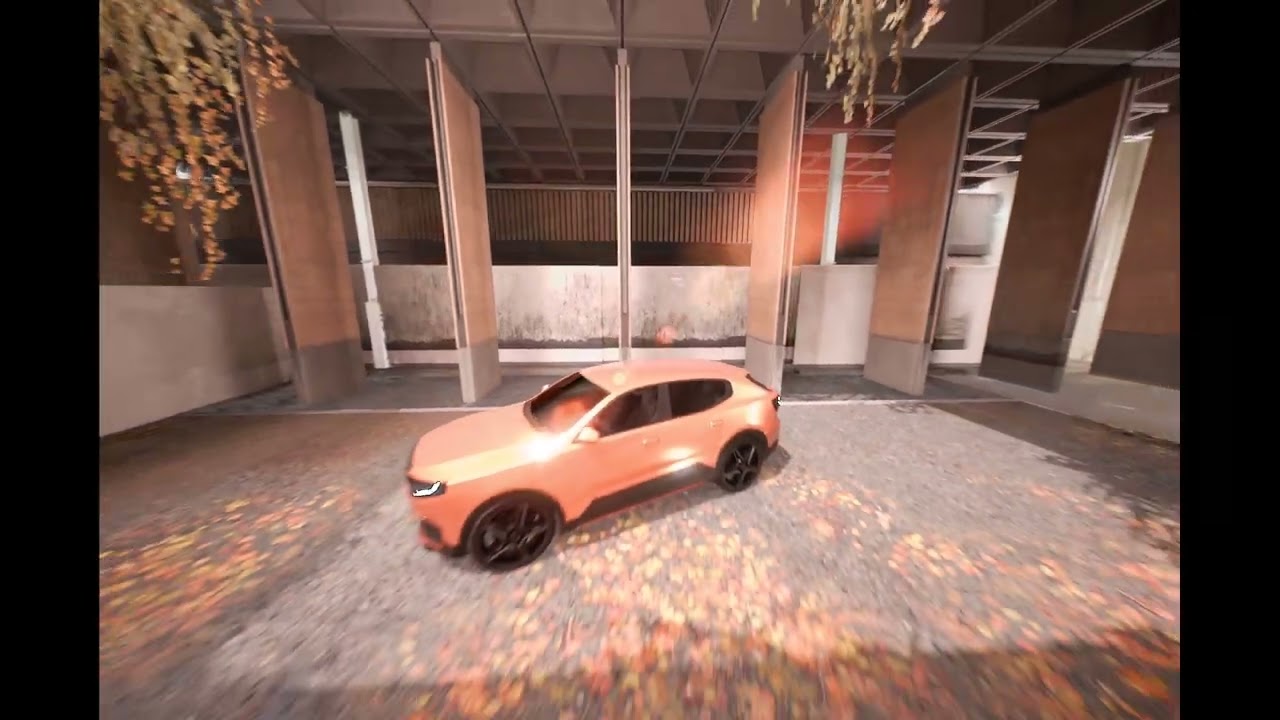
What a production head gets: a to-scale digital twin of the stage or location for blocking, camera planning, and previs before a single truck rolls — plus native 12K plates ready for your VFX pipeline, not a phone-scan approximation.
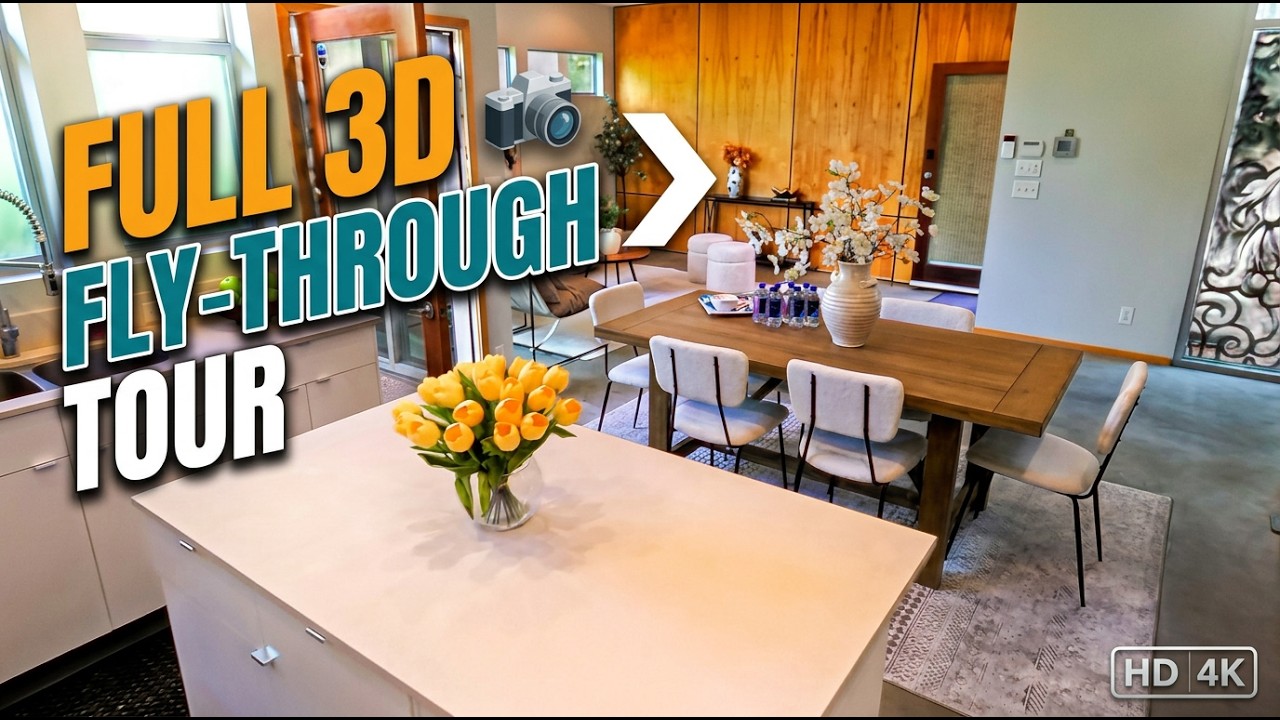
We scan the full property — no matter the size — and produce cinematic fly-throughs built on real captured geometry, not a generic 3D model. That's why the shots look impossible: the camera can go anywhere, because the space itself was captured, not approximated.
What a listing gets: a self-guided 3D tour buyers actually explore — the Paramount House scan alone has been toured over 50,000 times — plus a cinematic fly-through cut for social and the listing site. Every scan also produces a to-scale floor plan automatically, so there's no separate measuring appointment to schedule.
We scan any size property — from a single room to a full house — and work with your team to visualize a modified or new design directly against the existing structure. We can also land your Revit model onto the actual site, whatever's currently standing there, so the vision is grounded in reality from the first pass.
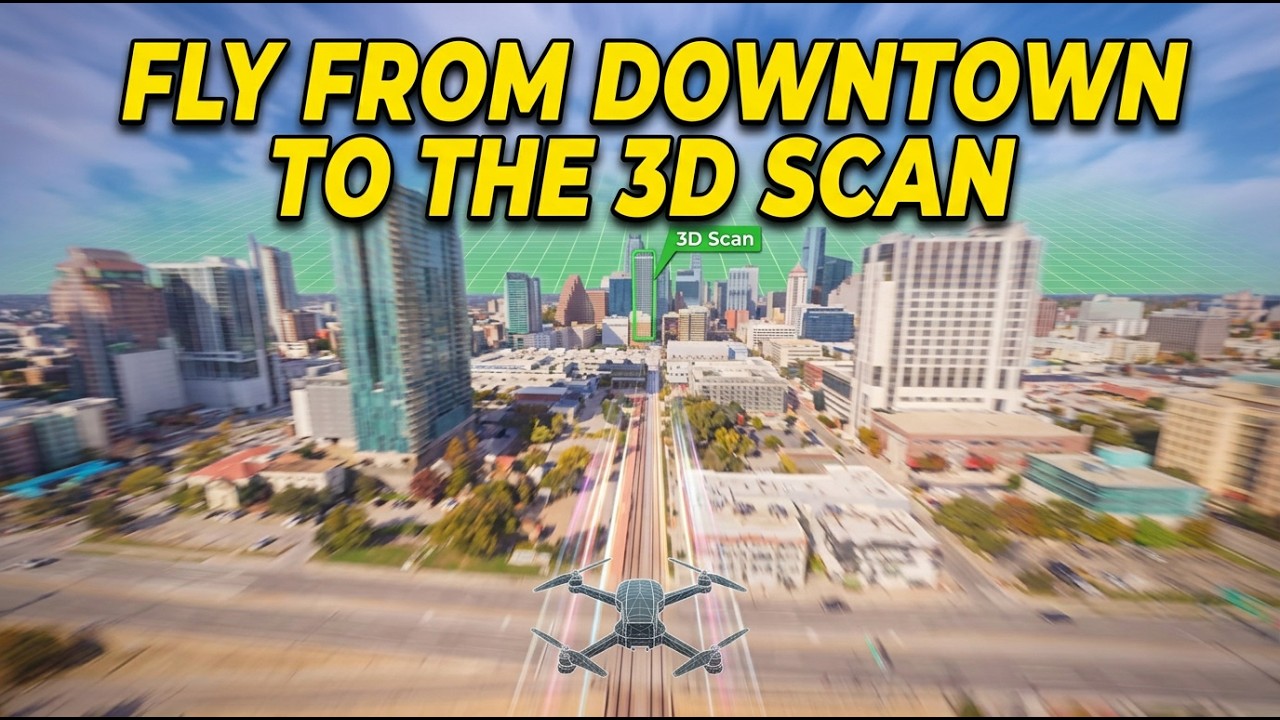
Range matters: the same capture process that resolves fine surface detail on a single statue scales cleanly to a full residential lot with ground and aerial data fused into one model — West Haven Dr. is a live example of that fusion, combining LiDAR capture with aerial 3D tiles for full-site context.
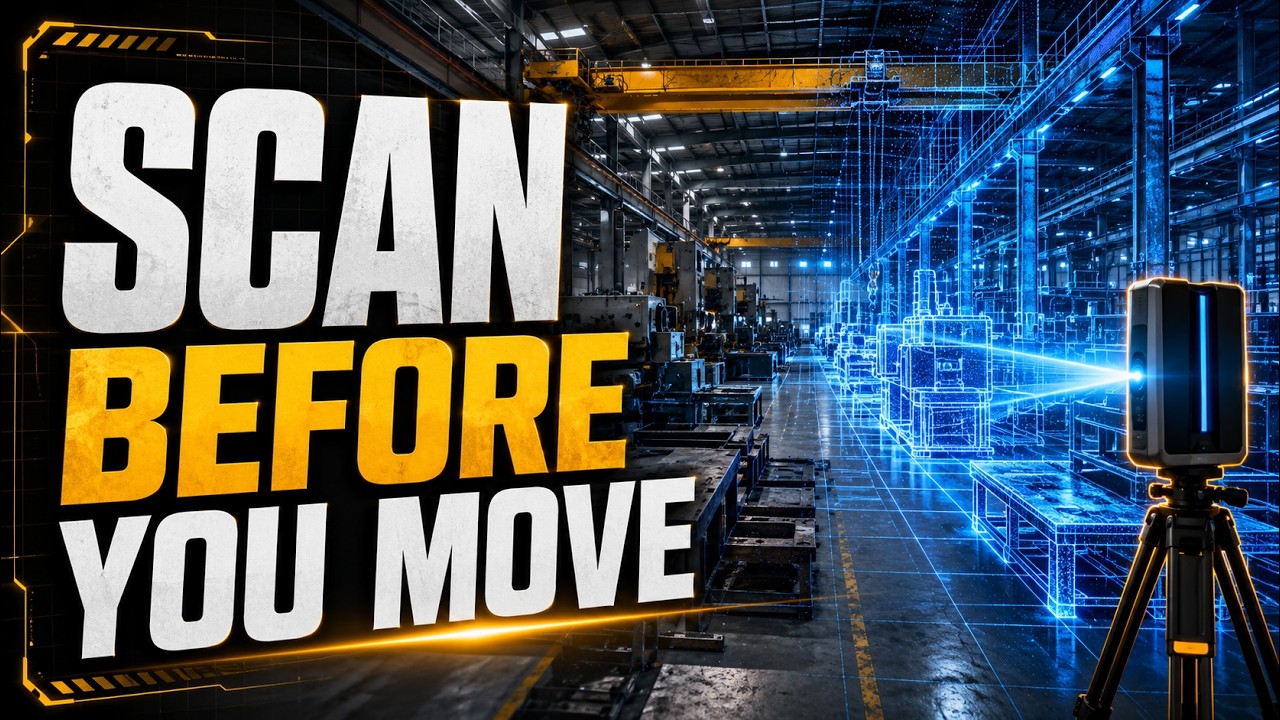
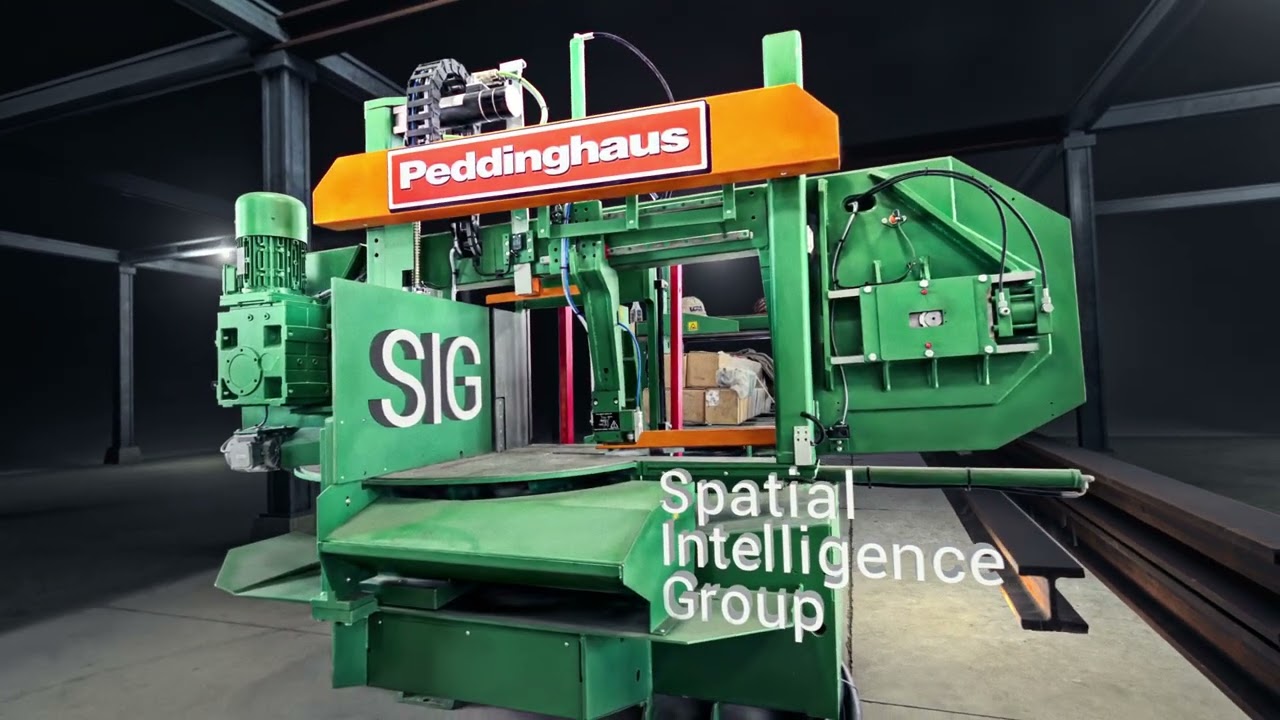
We scan the full complex or campus and build a digital twin that supports optimization workflows — and we go further: campus walk-throughs with gamified elements, built in partnership with HR, so new employees can get familiar with a warehouse or campus before they ever set foot on the floor.
What ops gets: a navigable twin of the full complex for planning and optimization, and an interactive onboarding experience employees actually want to use — built on the same Unreal Engine pipeline that powers our real-time work below.
Behind every scan is a custom Unreal Engine pipeline — built to take raw LiDAR and Gaussian splat data and turn it into real-time, interactive environments deployable in VR, AR, and XR. This is what separates a static tour from a space your client can actually walk through, on any device.
What this demo shows: a real, empty lot rebuilt in Unreal Engine — the same rig used to visualize new architectural builds on an existing site, and the foundation for the VR/AR/XR walkthroughs used across our real estate, architecture, and industrial work.